


Thinking of Hiring a Business Consultant? Here’s How to Find the Perfect Fit
You’ve hit a growth plateau, or you’re navigating a major transition, and you know you need an outside expert to help you get to the next level. The solution seems clear: hire a business consultant. But then you’re faced with a new challenge. The world of consulting can feel like a dating app for professionals—you swipe through countless profiles, each promising the “perfect match,” but how do you know which one will truly help your business and not just drain your bank account?
Bringing in a consultant can be a game-changing move, but only if you get the right one. A bad hire can leave you with an expensive report that sits on a shelf and no real change.
Don’t worry, you’re not alone in this. Finding the right partner takes a strategic approach. It’s about being clear on what you need, asking the right questions, and setting the stage for a successful partnership from day one.
Here are the hiring a business consultant best practices to guide you through the process and ensure you find a partner who delivers real, measurable results.
Best Practice 1: Define the Problem Before You Start the Search
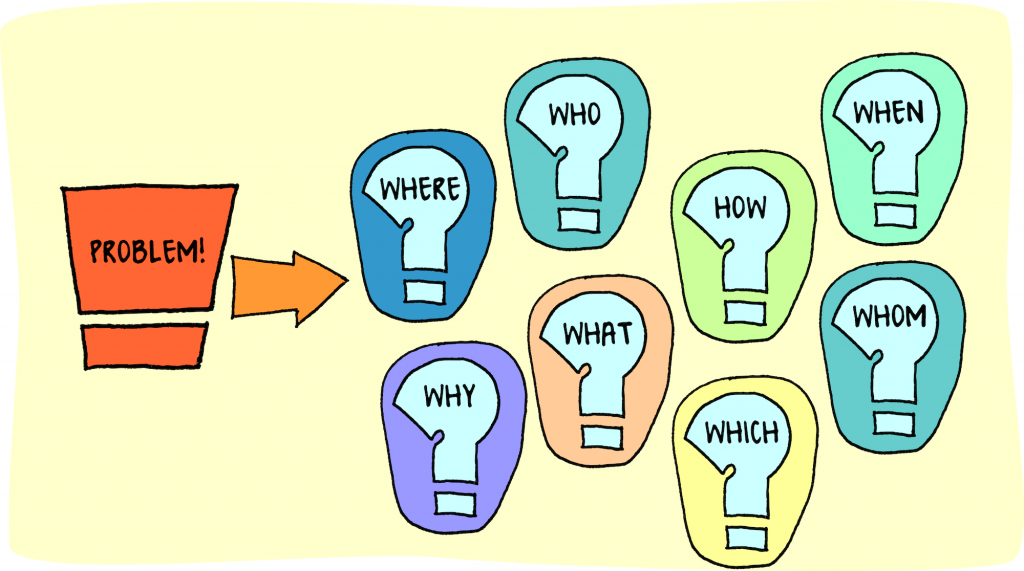
Before you even think about looking for a consultant, you need to get crystal clear on the problem you’re trying to solve. You might think, “I just need to grow,” but that’s too vague. Is it a marketing problem? A sales issue? Inefficient operations? A consultant can’t solve what they can’t see, so your first task is to become the chief detective of your own business.
AI Tip: Use a strategic AI prompt to help you diagnose the root cause of your challenges. This can help you get the clarity you need to hire the right person.
Example Prompt:
“Act as a business coach specializing in growth strategy. Based on the following business challenges I am facing [list your top 3-5 challenges, e.g., low customer retention, inconsistent sales, inefficient internal processes], identify the root cause of these issues and suggest what kind of specialized expertise I need to look for in a business consultant. Provide a bulleted list of potential solutions they might offer.”
This kind of deep-dive analysis gives you a precise “job description” for your consultant, making the search far more targeted and effective.
Best Practice 2: Vet for Experience, Not Just Credentials
A fancy degree or a prestigious firm name is great, but it’s not everything. The best consultants have a proven track record of solving problems like yours. Look for evidence of their work, not just their qualifications. Case studies, client testimonials, and measurable results are far more valuable than a resume.
Actionable Tip: Once you’ve defined your problem, use an AI tool to help you draft questions to ask potential consultants. This ensures you cover all your bases and don’t forget to ask a critical question.
Best Practice 3: Create a Clear Scope of Work
 hiring a business consultant best practicesalt
Think of the scope of work as a binding agreement for what you expect to get out of the engagement. It defines the project’s boundaries, deliverables, and timeline. Without a clear scope, both you and the consultant can get off track, leading to “scope creep” and unexpected costs.
AI Tip: Use a My Magic Prompt template to generate a professional scope of work document. For example, your prompt could be:
“Generate a detailed scope of work for a business consultant focused on improving our B2B lead generation process. Include sections for project goals, key deliverables (e.g., a new lead scoring system, a recommended tech stack, and a 90-day implementation plan), key performance indicators (KPIs), and a project timeline. The tone should be professional and clear.”
By being specific from the start, you ensure everyone is on the same page. This saves you both time and money. Our 90-Day Success Checklist is another great resource for helping you define what needs to be accomplished in a given time frame.
Best Practice 4: Get a “Test Drive”
Before committing to a long-term engagement, consider a smaller, low-risk project or a paid discovery session. This allows you to assess the consultant’s work style, communication skills, and how well they understand your business without a major financial commitment. This is the ultimate way to check for a good “fit.” It’s like a trial run before the real deal.
Best Practice 5: Plan for Implementation
A consultant’s work is only valuable if their recommendations are actually put into action. Before you hire someone, you need a plan for what happens after they deliver their report. Who will be responsible for implementing their suggestions? Do you have the resources to do it?
The best consultants don’t just hand you a report and walk away; they help you build a plan for implementation. To make this process even smoother, you can use AI to help you create a change management plan.
For more insights on how to streamline your processes, check out this guide on How AI Is Revolutionizing Contact Centers.
Best Practice 6: Don’t Forget About Company Culture
The best consultant in the world won’t be effective if they clash with your company’s culture. During your vetting process, make sure to ask about their communication style and how they’ve handled difficult situations with past clients. You’re not just hiring for their expertise; you’re hiring for a partnership.
Your Questions, Answered: A Consulting FAQ
What’s the difference between a consultant and a coach? A consultant is typically brought in to solve a specific problem or project and provides a set of solutions. A coach, on the other hand, works with you over a longer period to develop your skills and leadership abilities.
How much does a business consultant cost? The cost can vary widely based on their experience, expertise, and the project’s scope. Some charge hourly, while others have project-based or retainer fees. It’s important to discuss this upfront and ensure you get a clear breakdown of what you’re paying for.
How can I make sure I get a good ROI on my investment? A good return on investment (ROI) comes from three things: hiring the right consultant, having a clear and measurable goal, and, most importantly, implementing their recommendations. Without action, a consultant’s insights are just words on a page.
What kind of problems can a business consultant solve? A good consultant can help with a wide range of issues, including strategic planning, marketing strategy, process improvement, financial management, change management, and preparing a business for sale. The key is finding one with the right specialization for your specific problem. For a deeper look at the process of buying and selling a business, read our guide on how to Buy to Thrive.
Ready to Take the Leap?
Hiring a business consultant can be a transformative step for your company. By following these best practices for hiring a business consultant, you can go into the process with confidence, knowing you have a clear plan for finding a partner who can help you reach your goals.
Ready to start building a smarter, more efficient business? Check out My Magic Prompt and our library of other tools, templates, and solutions designed to simplify your work. It’s time to build the business you’ve always envisioned.

