10 Things to Check Before Buying a Small Business: The Ultimate Due Diligence Checklist
Meta Description: Breaks down the essential due diligence steps buyers must take before acquiring a company, including financials, liabilities, and operational risks.
Buying a small business can feel like training an AI model: the results depend entirely on the quality of your input – in this case, your due diligence checklist. Whether you’re an experienced entrepreneur or a first-time buyer, skipping key steps can lead to costly surprises or missed opportunities. How can you streamline your process and make more strategic decisions? Let’s break down the 10 things you absolutely must check before acquiring a company and how prompt-driven productivity frameworks can help you work smarter, not harder.
Why a Due Diligence Checklist Matters
Imagine asking an AI for business advice – without the right prompts, you’ll get generic or incomplete answers. The same goes for buying a business: a rigorous due diligence checklist ensures you uncover hidden risks and maximize your investment. Here’s how to structure your approach for clarity and confidence.
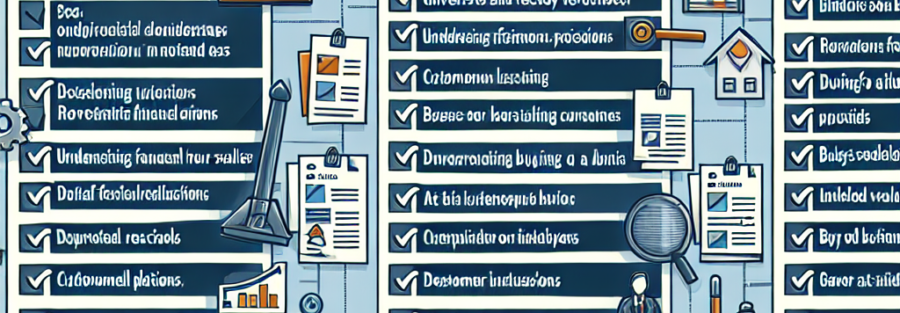
10-Step Due Diligence Checklist for Buying a Business
-
Financial Records
- Review at least 3 years of financial statements, tax returns, and cash flow reports.
- Check for consistency and accuracy.
-
Outstanding Liabilities
- Identify debts, pending lawsuits, or tax obligations.
- Ask for a schedule of all liabilities.
-
Customer and Sales Data
- Analyze customer concentration and retention rates.
- Look for recurring revenue streams.
-
Operational Processes
- Map out key workflows and dependencies.
- Assess automation and documentation quality.
-
Employee and Contractor Agreements
- Review contracts, compensation, and turnover rates.
- Check for non-compete or non-solicit clauses.
-
Intellectual Property
- Verify ownership of trademarks, patents, or proprietary tech.
- Confirm the transferability of IP assets.
-
Legal and Regulatory Compliance
- Check for business licenses, permits, and industry regulations.
- Review past or pending legal actions.
-
Supplier and Vendor Contracts
- Assess long-term commitments and pricing terms.
- Evaluate vendor reliability and alternatives.
-
Technology Stack and Security
- Audit software, tools, and cybersecurity protocols.
- Ensure tech assets are up-to-date and documented.
-
Reputation and Brand Strength
- Scan online reviews, social media, and press mentions.
- Interview stakeholders for qualitative insights.
Image Alt Text Recommendations:
- “Due diligence checklist for buying a business – key steps overview”
- “Analyzing business financials and operations before purchase”
How to Use Prompts and Frameworks for Better Due Diligence
Prompt engineering isn’t just for AI. Use targeted questions and checklists to guide your research and conversations. For example, prompt your advisors with:
- “What are the three biggest operational risks in the current workflow?”
- “Which customer accounts contribute over 10% of annual revenue?”
- “Are there any off-balance-sheet liabilities not disclosed?”
Leveraging these frameworks helps you uncover what matters most, faster—and reduces the risk of overlooking critical details.
For more frameworks and productivity techniques, explore the AI Prompt Engineering Hub or learn about Productivity Solutions from EJ Bowen.
Frequently Asked Questions: Due Diligence Checklist Essentials
- What is due diligence when buying a business?
- Due diligence is a systematic evaluation of a company’s financial, legal, operational, and strategic position before acquisition. It helps buyers make informed decisions and avoid hidden risks.
- How long does due diligence take?
- Due diligence can take anywhere from 2 weeks to several months, depending on business size and complexity. Plan for at least 30-60 days for a small business.
- What are the most common mistakes buyers make?
- Skipping steps in the buying a business checklist, overlooking liabilities, and failing to verify information are common errors. Always use a comprehensive checklist and consult experts.
- Do I need a lawyer or accountant?
- Yes, professional advisors can spot red flags and ensure your due diligence is thorough. Their expertise is critical for reviewing legal, financial, and regulatory documents.
- How does prompt engineering help with due diligence?
- Using structured prompts ensures you ask the right questions and gather complete data. This approach streamlines research, uncovers insights, and reduces risk.
Take the Next Step
Buying a business is a big move—set yourself up for success with the right frameworks and expert guidance. Connect with EJ Bowen to explore productivity-driven due diligence solutions, or browse our blog for more insights on AI and business strategy.
For further reading on due diligence best practices, visit the U.S. Small Business Administration or NerdWallet’s business checklist guide.