


The Big Question: Is Now the Right Time, or Should I Wait?
As a corporate professional, you’re an expert at strategy. You’ve been trained to analyze markets, spot trends, and find opportunities. So, as you plan your leap into business ownership, a natural question comes to mind: “Should I wait for a market downturn to buy a business?”
It’s an intriguing idea, right? Logic would suggest that buying during a recession, when businesses are struggling and valuations are low, is the perfect time to snag a bargain. After all, the old mantra is to “buy low, sell high.”
But is it that simple?
The truth is, while a downturn can present incredible opportunities, it also comes with a unique set of challenges. This article will break down the pros and cons of waiting for a recession to buy a business and show you how AI can be your secret weapon to prepare for a great deal, regardless of what the economy is doing.
The Allure of Buying in a Downturn
The biggest reason to wait for a recession to buy a business is simple: price. During a downturn, businesses that were once priced out of reach may become suddenly affordable. Sellers, facing declining revenues and uncertain futures, are often more motivated to sell.
Here’s why timing the market seems so appealing:
- Lower Valuations: Valuations often decline as businesses struggle, leading to lower asking prices. This can be your chance to acquire a great company at a discount.
- Less Competition: When the economy is strong, there’s a bidding war for every good business. In a downturn, many potential buyers sit on the sidelines, waiting for certainty. This can lead to less competition and more favorable terms.
- Motivated Sellers: Some owners, especially those nearing retirement, may have a greater sense of urgency to sell as their business struggles. This can make them more willing to negotiate.
This is where AI can be a game-changer. You can use it to help you analyze a company’s financial health during a downturn, so you can make an informed decision. For example, you can use a prompt to analyze a company’s financial statements and identify red flags.
AI Prompt Example: “Act as a financial analyst. I am considering buying a small manufacturing business. Here is their P&L statement from the last three years (insert data here). Analyze the data for any red flags, such as declining revenue, shrinking profit margins, or rising operating costs. Provide a high-level summary of the company’s financial health, and a list of three key metrics I should track during due diligence.”
A tool like My Magic Prompt makes it easy to save and organize prompts like this into a “Financial Analysis” library, so you can quickly analyze a business’s health in any economic climate.
The Reality: Why Waiting Can Be a Mistake

While the idea of buying a business on the cheap is appealing, it’s not a risk-free strategy. The same market forces that can lower prices can also make your life as a new business owner much harder.
Here are a few of the biggest risks of trying to wait for a recession to buy a business:
- Financing Is Tougher: During a recession, banks get nervous. They tighten lending standards, making it much harder to secure a loan to finance a business acquisition. Even if you get approved, the interest rates may be higher, offsetting any savings from a lower price.
- Hidden Problems: A business struggling in a downturn might be hiding deeper, systemic issues. Are its problems temporary due to the economy, or is the business fundamentally flawed? You might be buying a distressed company that is much harder to turn around than you think. You can learn more about this in our guide on buying a distressed business.
- The Crystal Ball Myth: No one can predict the future. Trying to time the market is a gamble. You could wait for a downturn that never comes, or a recession that is deeper or lasts longer than you expect. The perfect deal might pass you by while you’re sitting on the sidelines.
The most successful entrepreneurs don’t wait for a recession to buy a business. They use AI to prepare for a great deal at any time.
Using AI to Navigate the Risks
You can use AI to mitigate the risks associated with a downturn. AI can act as a tireless research assistant, helping you to find and analyze information that would have taken months to compile manually. For example, you can use it to conduct market research and identify opportunities.
AI Prompt Example: “Act as a business intelligence analyst. I am looking to acquire a business in the home services industry. Provide a summary of how the home services industry performs during economic downturns, including which sub-sectors (e.g., landscaping vs. plumbing) are most resilient and which are most vulnerable. Cite your sources.”
This kind of prompt provides you with a clear, data-driven analysis that helps you make a better decision. To learn more about how to use AI for due diligence, check out our due diligence checklist. You can also learn from high-authority external sources like this recent Harvard Business Review article on how to manage your business through a downturn.
The True “Right Time” to Buy a Business
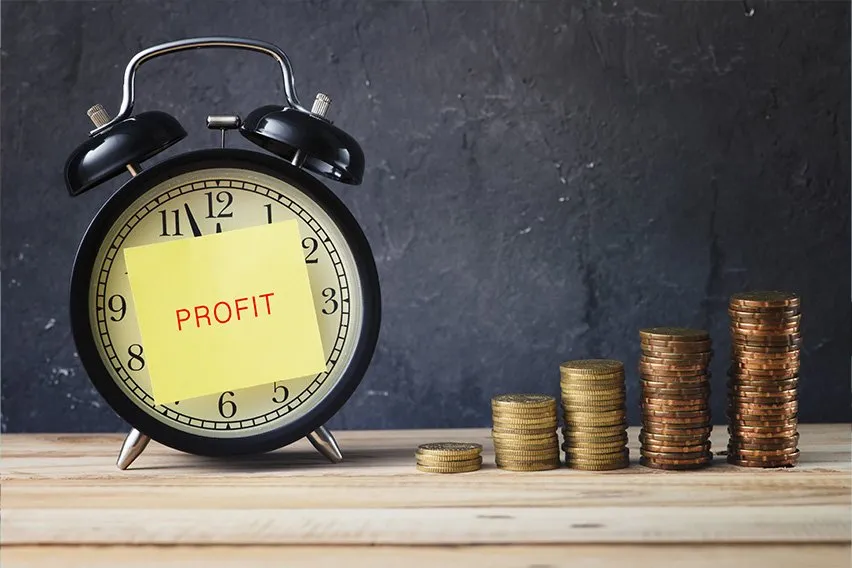
The “right time” to buy a business has less to do with the economy and everything to do with you. The most successful entrepreneurs buy when they are personally and professionally ready, and when they find a great deal—regardless of whether it’s an economic boom or a downturn.
Here’s how you can prepare yourself to find the right opportunity:
- Build Your Personal Runway: Do you have the financial security to handle the initial months or years of business ownership?
- Develop a Playbook: Have a clear, actionable plan for what you will do once you acquire the business. You can use our business playbook to build out your plan.
- Be a Smart Buyer: Know what kind of business you’re looking for, what your ideal budget is, and what your non-negotiables are.
You can use AI to help you build your business playbook and create a clear plan for your first 90 days. For example, you can use a prompt to generate a 90-day success checklist for your new business.
AI Prompt Example: “Act as a business coach. I am acquiring a consulting business. Draft a 90-day success checklist for me, including key milestones, priorities, and action items for my first three months. Focus on quick wins and strategic initiatives that will set me up for long-term success.”
This kind of prompt helps you create a clear, actionable plan for your first 90 days. You can also explore our 90-day success checklist to get started.
FAQ: Your Questions, Answered
Is it always cheaper to buy a business in a recession? No. While valuations may be lower, the overall cost of the acquisition can be higher due to increased interest rates and stricter lending standards.
What’s a good AI prompt to analyze a business’s cash flow? You can use a prompt like this: “Act as a financial analyst. I need to understand a business’s cash flow. Analyze the following cash flow statement (insert data here) and provide me with a summary of the company’s ability to generate cash from its operations and its ability to cover its short-term liabilities. Highlight any red flags.”
How can I use AI to find hidden risks in a business? You can use AI to analyze a business’s public filings, news articles, and social media presence for any negative sentiment or legal issues. You can use a prompt like this: “Act as a research assistant. I am considering buying a small business called ‘XYZ Corp.’ Research any news articles, press releases, or legal filings related to the company in the last 5 years. Provide a summary of any negative press or legal issues.”
Can AI predict the next recession? No. AI is not a crystal ball. It can analyze vast amounts of data to identify patterns and trends, but it cannot predict future events with certainty. It is a tool for analysis, not a replacement for good business judgment.
The Final Word: Don’t Wait, Prepare.
The choice to wait for a recession to buy a business is a strategic one, but it is a gamble. The most successful entrepreneurs don’t rely on luck or timing. They prepare themselves, build their skills, and use the right tools to find a great deal in any economic climate.
The real “right time” to buy a business is when you are ready. And with the power of AI, you can get ready faster than ever before. To learn more about how to use AI to supercharge your business, check out My Magic Prompt, a tool designed to help you save, organize, and execute your most effective AI workflows. It’s time to get your freedom back.

