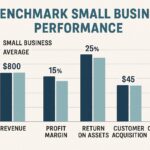
The Difference Between Revenue Growth and Real Growth
In the rush to scale, many SaaS leaders and productivity-focused professionals obsess over one question: Are we truly growing, or just seeing bigger numbers? With AI-driven analytics and prompt engineering making it easier than ever to track metrics, it’s tempting to celebrate every uptick in revenue. But savvy operators know that not all growth is created equal. Understanding revenue vs profit growth is essential for building a sustainable, future-proof business.
Why Revenue Isn’t the Whole Story
Revenue growth grabs headlines—but it doesn’t always mean your business is healthier. Revenue is simply your total sales. If costs are rising just as fast (or faster), you might not be any better off. That’s where real growth comes in: growth that improves your profitability, efficiency, and long-term viability.
- Revenue Growth: Increase in total sales over time.
- Profit Growth: Increase in net earnings after expenses.
- Real Growth: Sustainable improvement in profit, efficiency, and value.
Framework: From Revenue Chasing to Real Growth
To move beyond vanity metrics, use this practical framework:
- Clarify Your Growth Metrics: Track both revenue and profit margins. Use AI tools to analyze operational costs, not just sales.
- Prompt Engineering for Insight: Leverage AI-powered prompts to dig deeper. For example, ask:
- “Show me products with rising revenue but declining profit margins.”
- “Highlight customers who generate high revenue but are costly to service.”
- Implement Feedback Loops: Regularly review growth metrics with your team. Use dashboards that visualize both top-line and bottom-line trends.
- Test and Optimize: Experiment with pricing, cost controls, and automation. Use prompt-based AI assistants to model scenarios before making big bets.
Example: Applying Prompt Engineering to Uncover Real Growth
Let’s say your SaaS business just landed a big client, pushing your monthly revenue up by 20%. Before celebrating, use a prompt like:
“Analyze the net profit impact of our newest customer segment, including support and onboarding costs.”
This approach keeps your focus on profitable growth—not just bigger numbers.
FAQ: Revenue vs Profit Growth
- What’s the main difference between revenue and profit growth?
- Revenue growth measures total sales increase, while profit growth tracks how much net income rises after costs. Real growth focuses on profit, not just sales.
- Why is profit growth more important than revenue growth?
- Profit growth means your business is actually generating more value and can sustain itself long-term. High revenue with low profit can signal hidden problems.
- How can AI help track real growth?
- AI enables faster analysis of both revenue and cost data. With well-crafted prompts, you can instantly surface trends, inefficiencies, and opportunities for true growth.
- What are common mistakes when measuring SaaS growth?
- Focusing solely on revenue, ignoring churn or rising costs, and failing to analyze customer profitability are common missteps. Use a balanced scorecard for a clearer view.
- Can prompt engineering improve financial decisions?
- Yes. Strategic prompts can uncover insights hidden in your data, helping you make smarter, growth-oriented choices.
Final Thoughts: Build Real Growth with Smarter Prompts
Whether you’re scaling a SaaS platform or improving team productivity, remember: Revenue growth is a milestone, but real growth is the mission. By combining intelligent prompt engineering with a focus on profit and efficiency, you’ll set your business apart for the long haul. For more frameworks and hands-on support, explore EJ Bowen’s AI and productivity services or browse our latest blog posts.
Ready to shift from chasing revenue to achieving real growth? Let’s make it happen—together.